

Time to Move to the Cloud: Signs to Leave Local Servers Behind
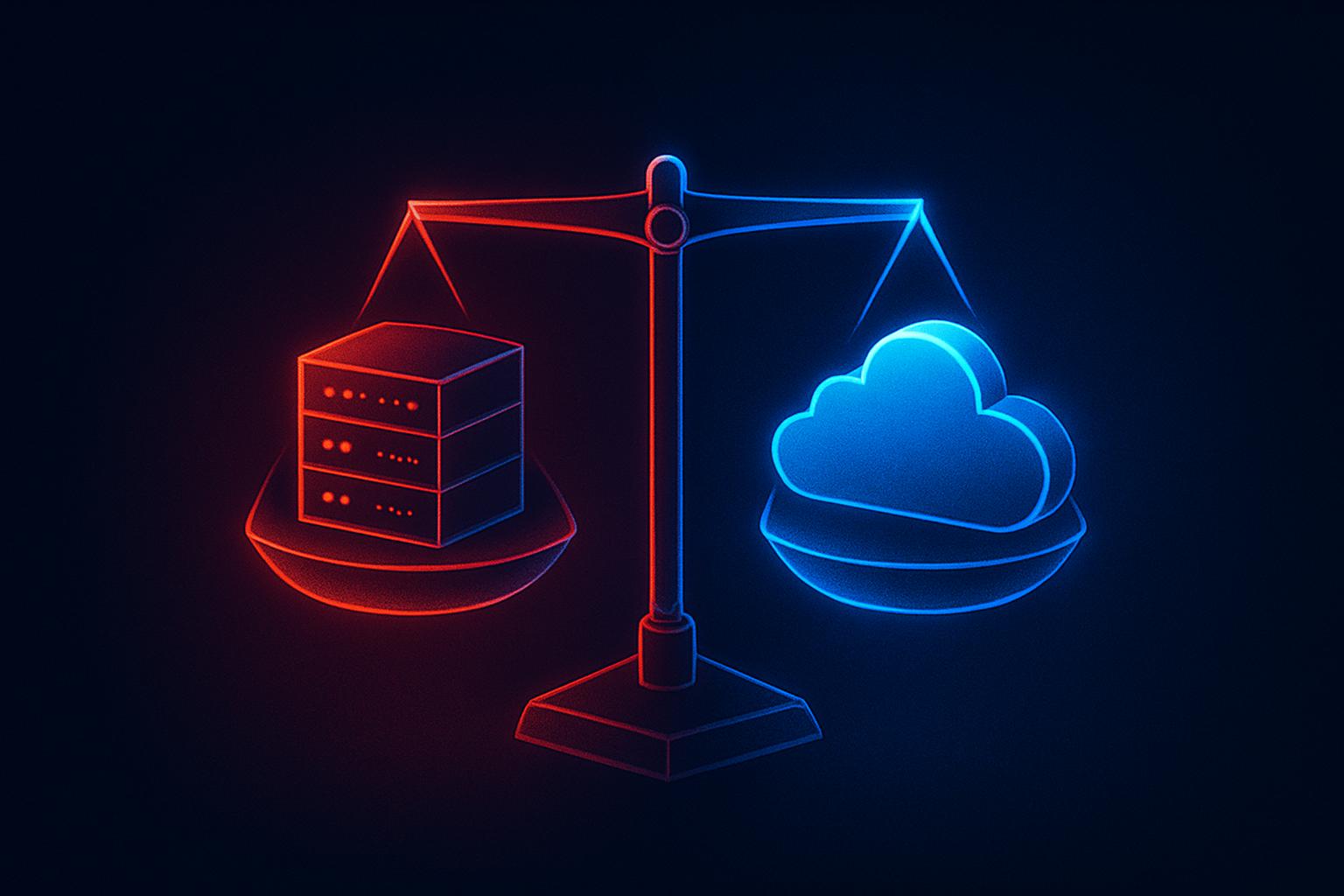
A café in Kokand complained about rising costs of maintaining servers. Monthly payments, maintenance, and security issues were squeezing their budget. So, they decided to move to the cloud. Could this be the right step for you too?
Rising costs of local servers
Maintaining servers involves not only equipment costs but also electricity and service. Your staff will have to handle technical maintenance too. Additional expenses and bureaucratic hurdles might push you toward cloud adoption.
Opportunity for success in the cloud
Cloud technologies help reduce additional costs, enhance security, and increase efficiency. You only pay for what you use, and service providers take responsibility for security, allowing you to focus on your core business.
Ease of scaling
By moving to the cloud, you can quickly and easily scale your operations. There's no need to purchase new servers or equipment to add new applications or services. A few clicks can unlock new capabilities.
Security and reliability
Cloud services implement high-level security measures to ensure long-term reliability. Implementing such protection on local servers can be costly. Moving to the cloud simplifies this matter and alleviates concerns.
First steps to cloud transition
If you're considering moving to the cloud, start by analyzing your existing systems and identifying parts suitable for cloud services. The next step is to find a reliable service partner and test small segments first.
Conclusion
When your business is ready for change, moving to the cloud can be the right step. By leaving local servers behind, you can reduce costs, optimize resources, and expand growth opportunities.